
“Futures without Forgiveness? How Grassroots Memory Work Forges Divergent Visions of Truth and Reconciliation”
Hajar Yazdiha
From the Introduction:
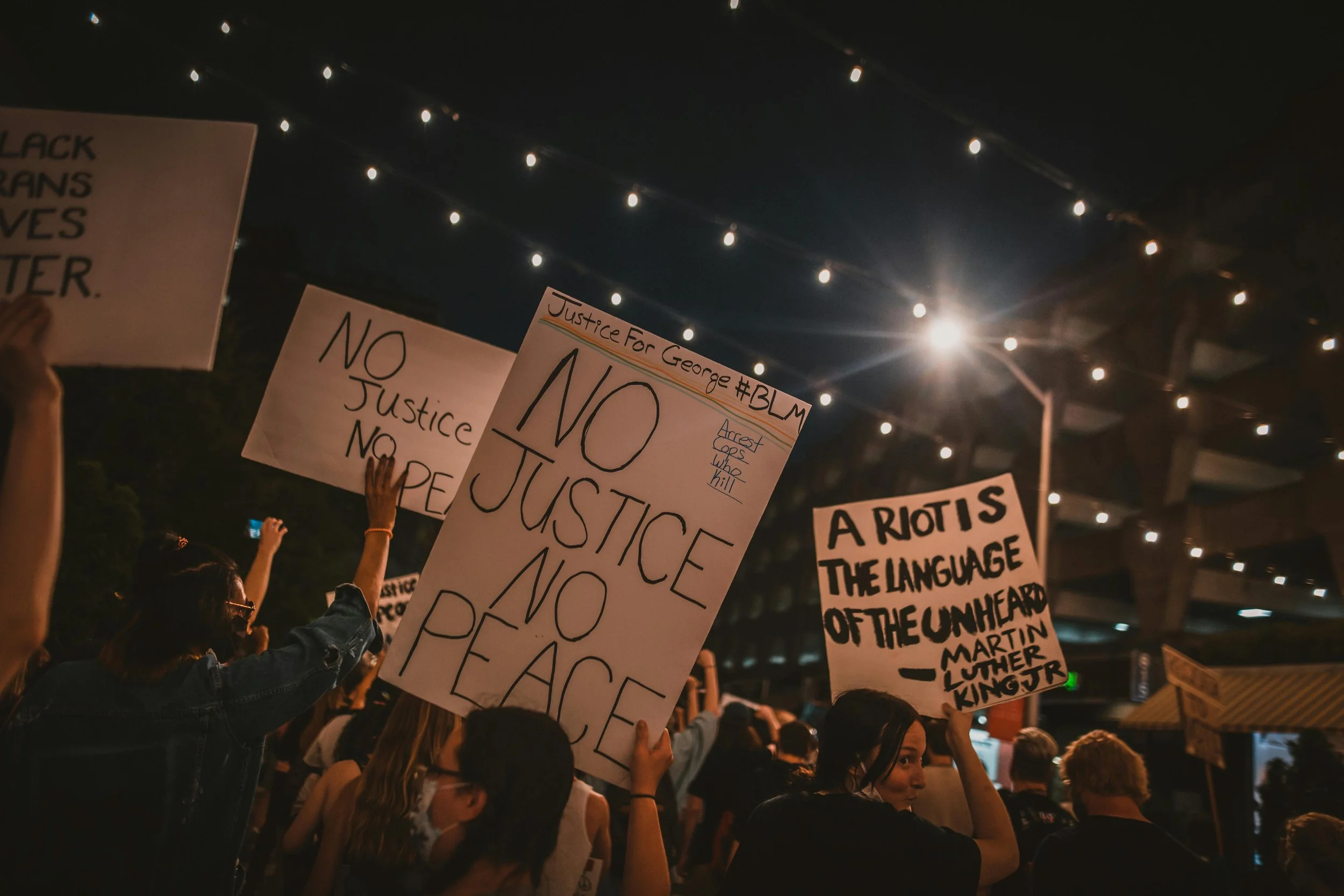
As conceived, truth and reconciliation is a process of restorative justice typically sponsored by the state that works to heal broken relationships between opposing groups and to seek redress by recovering facts where they have been distorted or obfuscated, allowing the space for truth telling, acknowledgment, grieving, forgiveness, and eventual healing (ICTJ 2022)… Yet truth and reconciliation in action has proven more complex and varied across national contexts, state vs. grassroots-led efforts on the spectrum from tribunal to confessional, and historical conditions and magnitudes of violence. While on the one hand these processes can yield both collective catharsis and structural accountability, on the other they can yield re-traumatization for victimized parties, deepened divides over competing interpretations of the truth, and insufficient redress from governments committed to maintaining a status quo (Allen 1999; Burnet 2008; Dragovic-Soso 2016).
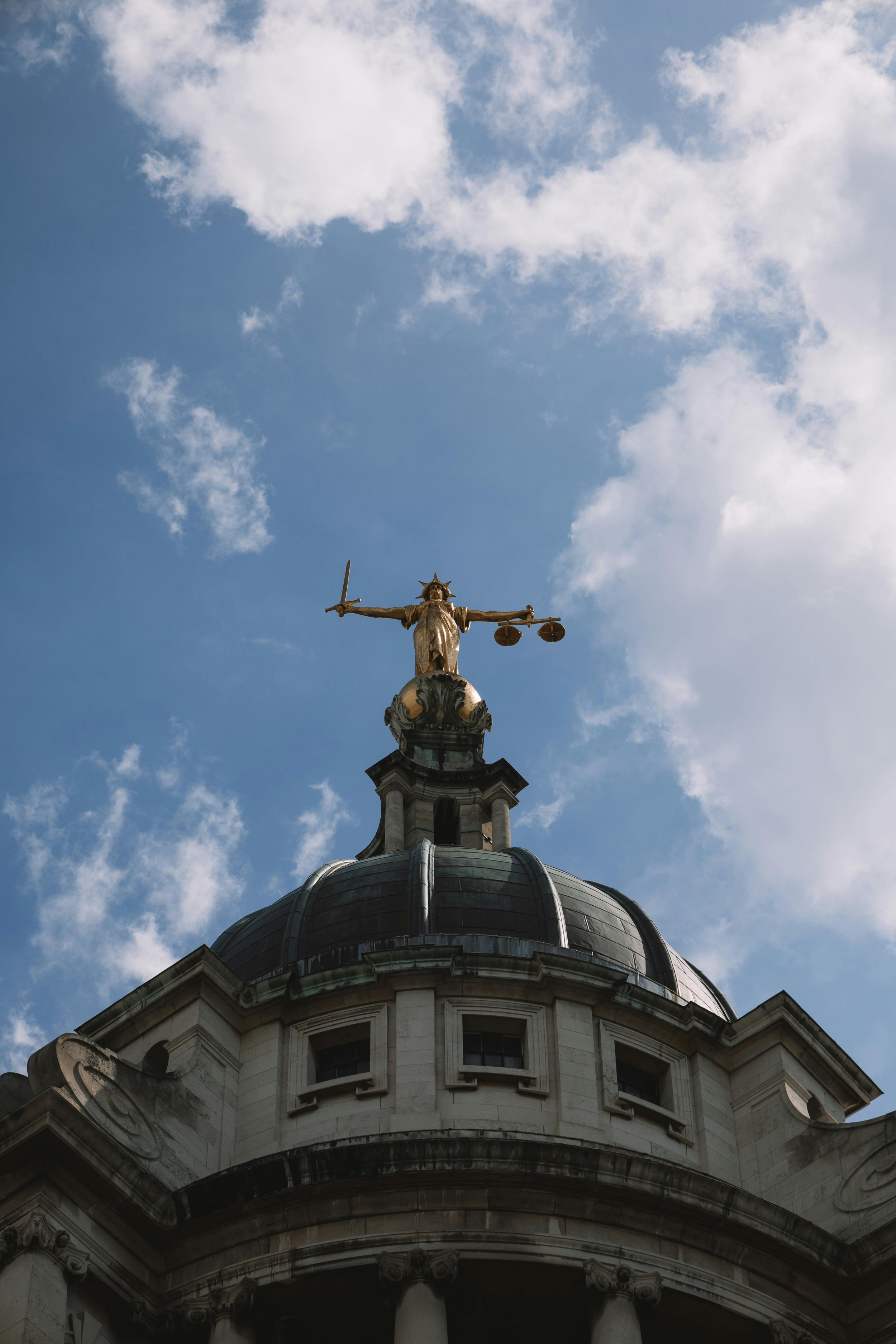
Complicating matters, in the United States, social atomization differs in depth and character across regions characterized by varied relationships to histories of settler colonialism, enslavement, segregation, institutionalized inequalities, and continued racialized violence. Though systems of inequality are interconnected, the historical wounds from which they emerge vary and take on a localized character (Baker 2022; McVeigh, Cunningham, and Farrell 2014).
How, then, does truth and reconciliation advance at the grassroots level in the U.S.? How do these processes lend insight into the deeper mechanisms that connect truth telling to forgiveness and healing to reconciliation? To examine these tensions, this study examines the mechanisms through which grassroots truth and reconciliation commissions unfold to heal local divides and the dilemmas that emerge. Ultimately, understanding both the challenges and successes of these practices might help us better understand the promises and limits of reconstructing memories of difficult pasts in order to move forward together.