How could we be blameworthy for drunk driving?
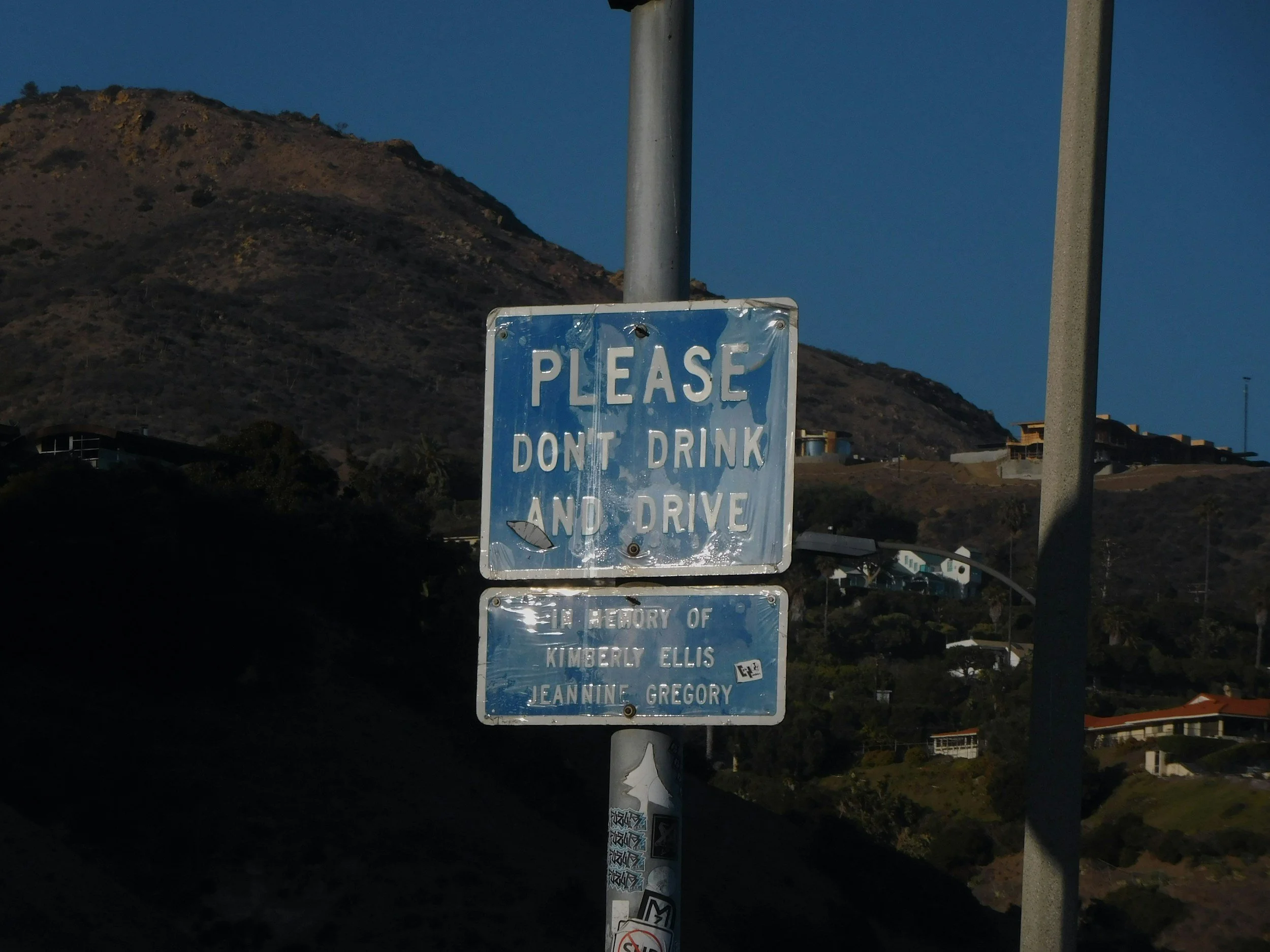
Everyone recognizes that driving drunk is blameworthy. However, it is also very commonly thought that we need to appeal to some special “tracing” conditions on blame in order to explain why it is fitting to blame drunk drivers (Fischer & Ravizza, 1998; Murray, 2020; Tognazzini, 2012). Here’s the basic idea: in order to (fittingly) blame someone for something, they need to have control over the thing that we are blaming them for. When it comes to actions, we typically have control over our behavior in virtue of having certain mental capacities that enable us to do certain things like respond to reasons, or guide our behavior in light of our values. When you are drunk, though, these mental capacities (at least sometimes) seem extremely impaired. Since these mental capacities are impaired, you can’t have control over your behavior in the normal “direct” way. If we don’t have direct control over ourselves when we’re drunk, though, how could we ever be blameworthy for drunk driving?
This is where tracing comes to the rescue: when someone drives drunk, they have the relevant kind of control over themselves because their drunk decision is the result of some other act that they did have direct control over like a decision to get drunk in the first place.
This idea works fairly well in lots of cases. Let’s say that I drive my car to a bar, and then afterwards I come out drunk and drive off. In this case, you can blame me for driving to the bar in the first place, and this is partially because driving drunk was a bad, foreseeable result of driving to the bar. Since driving drunk was a bad foreseeable result of something I am directly blameworthy for, it is easy to see why I would be derivatively blameworthy for driving drunk later.
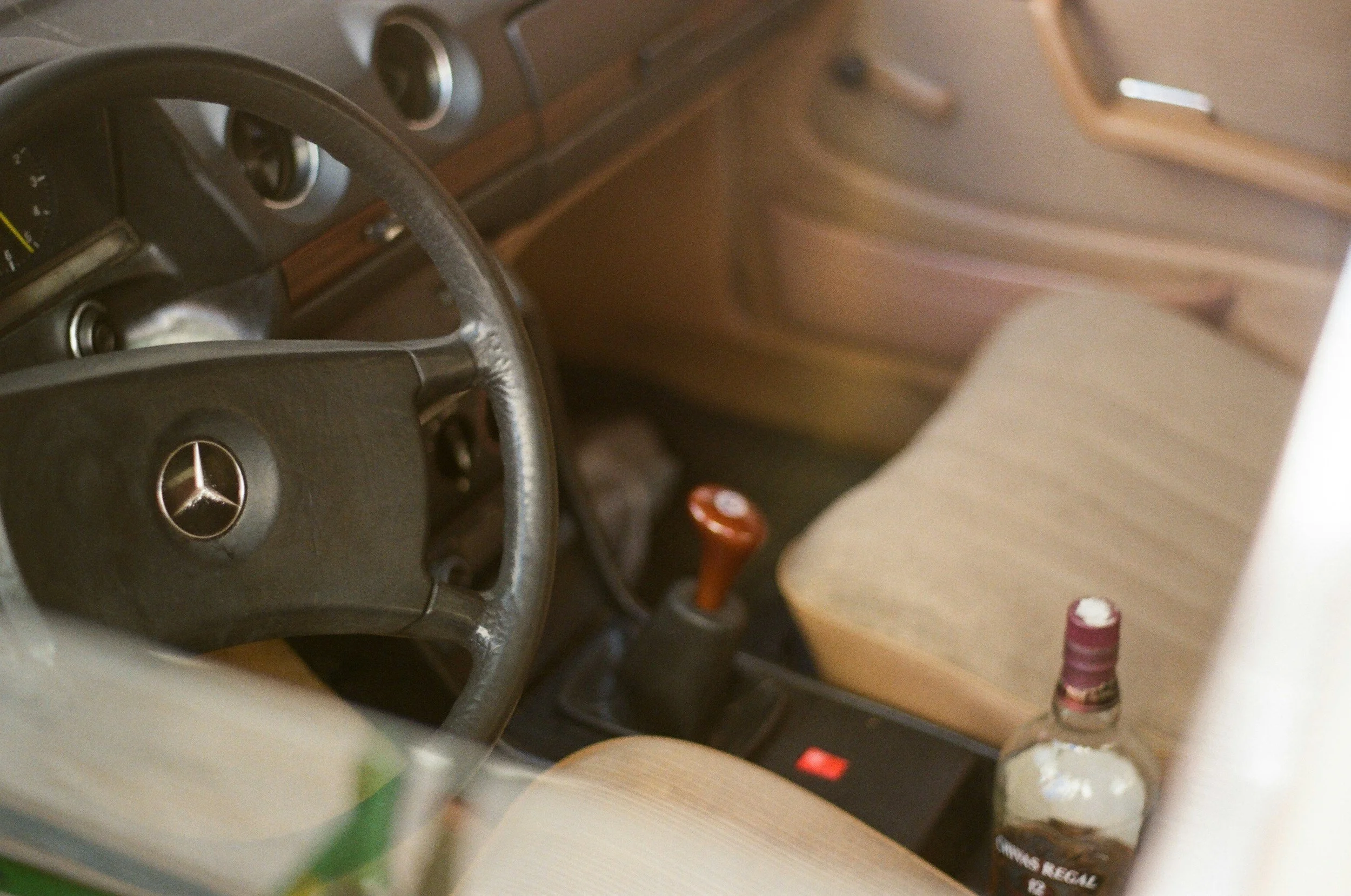
Unfortunately, though, the tracing strategy faces lots of problems as soon as we start looking at other cases. To pack all my objections into one case, let’s imagine that Jane is a severe alcoholic battling withdrawals, when someone else gives them a handle of vodka. They decide to down it at home. They don’t have a car. In fact, the year is 1908. They’ve never even seen a car before. That night, though, their friend pulls up in a brand new model T. Jane gets in the car and drives it into a building. Jane seems blameworthy for driving drunk. That said, it isn’t clear how we’re supposed to trace Jane’s blameworthiness back to some other act.
First, since Jane is a severe alcoholic, it isn’t clear that Jane had control over the initial acts that got her into this position. She didn’t really have much control over whether she got drunk, for instance. If she didn’t have control over whether she got drunk in the first place, it doesn’t seem like this can explain why she has indirect control over her later decision to drive drunk.
Second, derivative blameworthiness standardly requires us to be blameworthy (not just responsible) for the initial act that we are tracing back to. For example, suppose that a doctor prescribes someone a medication that will give their patient the best chance of recovery but comes with a chance of a severe reaction. The patient has the severe reaction and dies. In this case, the patient’s death was a relatively foreseeable result of an action that the doctor had direct control over. However, we can’t blame the doctor for the patient’s death and that’s because they weren’t blameworthy for prescribing the medication. To make this even clearer, imagine now that Jane isn’t an alcoholic. She just decided to drink at home. In this case, she has control over whether she drank, but, since it isn’t a crime to drink, it still doesn’t seem like we can blame Jane for anything she did before she got drunk.
Third, tracing standardly requires foreseeability. Imagine that I made a rude comment to someone that, completely unknown to me, is in the middle of a psychotic break. They get so upset that they try to burn down my house. In trying to do this, they end up burning down my neighbor’s house instead. My neighbor can’t blame me for the fact that their house was burnt down even though this was caused by my blameworthy act. The reason why is that my neighbor’s house burning down was not a foreseeable result of my rude comment. Similarly, in our case, drunk driving was not a foreseeable result of anything Jane did before she got drunk. Jane had absolutely no way of knowing or even suspecting that she would be in a position to drive a car that night.
Finally, if a tracing strategy is right, then it seems like being drunk will more or less never get you off the hook for anything, but that seems wrong. Imagine that Jane’s friend came over with someone they just started dating, and Jane’s incessant drunken yammering embarrasses their friend in front of their new girlfriend. I don’t think that we can blame Jane for embarrassing their friend. That said, this drunken behavior looks just as traceable to previous acts that they had control over as their drunk driving.
If the tracing strategy doesn’t work, how devastating is this for control based theories of responsibility and blameworthiness? For the most part, I think we can plausibly insist that drunk drivers do actually have sufficient direct control over their decisions to drive. Research on drunk decision making suggests that certain key cognitive abilities, like impulse control, and the ability to attend to non-salient costs, are impaired, but still present when we’re drunk (McPhee & Hendershot, 2023; Steele and Josephs 1990). Moreover, there is evidence that variation in drunk driving behavior between individuals is systematically related to an individual’s attitudes towards drunk driving, as well as a person’s perception of the prototypical drunk driver (Jou & Hsu, 2025). If that’s right, though, then that gives us at least some reason to think that we retain the ability to guide our decisions to drive drunk on the basis of our attitudes about drunk driving. None of this establishes beyond a doubt that drunk drivers retain control over their decision to drive drunk. However, we probably shouldn’t be so quick to assume that drunk drivers lack direct control. Overall, there’s no clear evidence that drunk people completely lack meaningful control over their decisions to drive (much less whether they continue driving once on the road, or how recklessly they drive).
Still, you might insist that we can imagine drivers that are so drunk that it isn’t even clear whether they are cognizant of the fact that they are driving drunk. It’s worth noting that this is far from the typical case. Since tracing strategies can’t cover at least some of these cases, however, they represent a test case for control based theories of blame. If we want to insist that we can blame these drunk (beyond recognition) drivers even though they have no direct control over their behavior, and even when they aren’t derivatively blameworthy, then we have to accept that we can blame people for some things that they don’t have any meaningful control over. I find this result uncomfortable, but I suspect that many people won’t want to let drunk (beyond recognition) drivers off the hook either.
Citations:
Fischer, J. M., & Ravizza, M. (1998). Responsibility and Control: A Theory of Moral Responsibility. Cambridge University Press. https://doi.org/10.1017/CBO9780511814594
Jou, R.-C., & Hsu, H.-W. (2025). Determinants for drunk driving recidivism—An application of the integrated prototype willingness model. Behavioral Sciences, 15(1), Article 48. https://doi.org/10.3390/bs15010048
McPhee, M. D., & Hendershot, C. S. (2023). Meta-analysis of acute alcohol effects on response inhibition. Neuroscience & Biobehavioral Reviews, 152, Article 105292. https://doi.org/10.1016/j.neubiorev.2023.105292
Murray, S. (2020). The Place of the Trace: Negligence and Responsibility. Review of Philosophy and Psychology, 11(1), 39–52. https://doi.org/10.1007/s13164-019-00444-x
Steele, C. M., & Josephs, R. A. (1990). Alcohol myopia: Its prized and dangerous effects. American Psychologist, 45(8), 921–933. https://doi.org/10.1037/0003-066X.45.8.921Article Link
Tognazzini, N. A. (2012). The Triumph of Tracing. In J. M. Fischer (Ed.), Deep Control: Essays on Free Will and Value (p. 0). Oxford University Press. https://doi.org/10.1093/acprof:osobl/9780199742981.003.0012
Contributor
Zeb Dempsey
Graduate Fellow